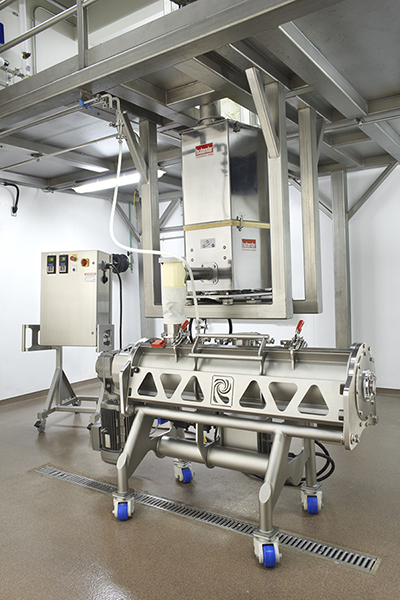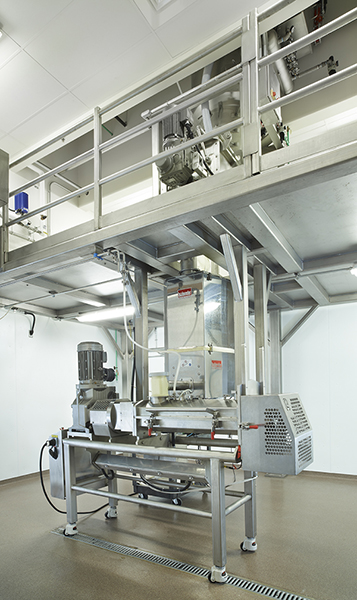
Dough consistency directly affects finished-product consistency. Changes in moisture, density, temperature, or development can influence how dough moves through forming, proofing, baking, and cutting equipment. Continuous mixing systems from Exact Mixing reduce those variations by keeping ingredient delivery, mixing conditions, and dough flow more stable throughout production.
Eliminate Batch-to-Batch Variation
Every batch is a separate mixing event, which creates another opportunity for small differences in ingredient temperature, mixing time, or dough development.
Continuous mixing removes those boundaries. Ingredients enter the mixer at controlled rates, and dough exits as a steady stream rather than separate batches.
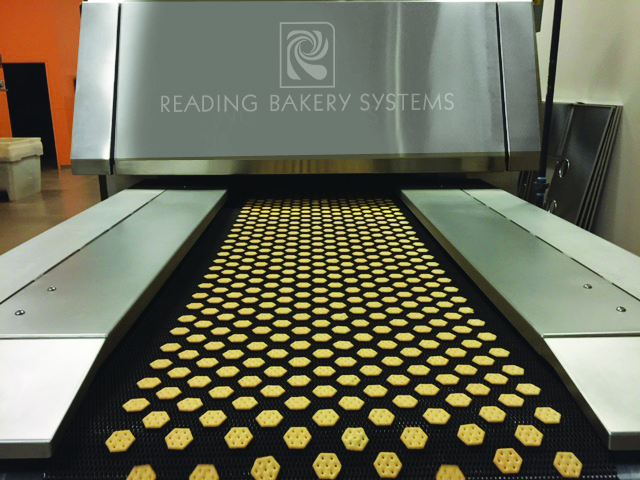
The difference can be measured. In a side-by-side plant test, a batch-fed pretzel line showed a standard deviation of 1.11 grams around a 32-gram target piece weight. The continuous-mixer-fed line measured just 0.45 grams, demonstrating much tighter weight consistency.
Start With a More Consistent Mix
Ingredient variation is another common source of inconsistency. Batch operations may rely on operators to weigh and add smaller ingredients, introducing slight differences from one batch or shift to the next.
Exact Mixing systems use Loss-in-Weight metering technology to deliver ingredients at accuracies of ±0.25% or better. Gravimetric feeders continuously measure dry ingredient flow against programmed set points, while pumps and flow meters provide controlled liquid delivery.
Because ingredient flow is automatically measured and monitored throughout the run, each portion of dough begins with a more consistent formulation.
Keep Dough Moving
Dough continues to change after mixing. In a batch system, a large amount of dough may sit in a hopper or other handling equipment while it waits to move downstream. The first dough processed can therefore differ in age and condition from the last.
Continuous systems produce dough at approximately the rate the production line uses it. Instead of holding a large batch in reserve, dough moves steadily from mixing into the next stage.
This reduces differences caused by waiting, allowing forming and baking equipment to receive dough with more consistent properties throughout the run.
Catch Process Changes Earlier
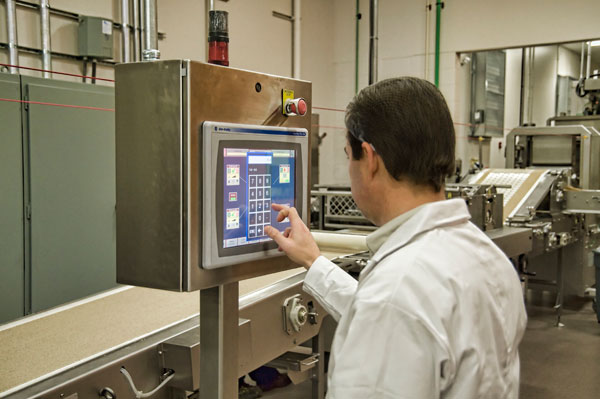
Exact Mixing equipment also gives operators more visibility into what is happening during production.
Operators can monitor ingredient flow, dough temperature, mixing energy, mixer speed, and other process variables against programmed targets. If a value begins to drift, the system can identify the deviation quickly rather than waiting until an operator notices a problem in the finished dough.
This real-time control helps keep production within established parameters and reduces off-spec product before a problem is corrected.
Improve Performance Beyond the Mixer
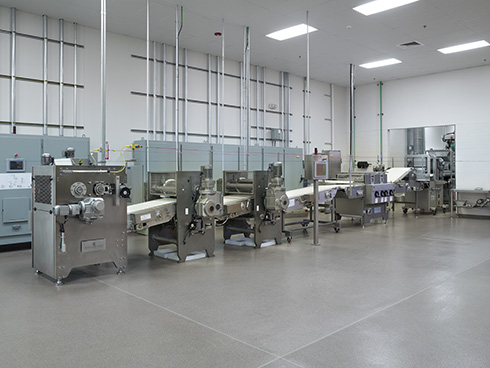
Consistent dough helps downstream equipment run more predictably. When moisture, weight, temperature, and development stay within a tighter range, forming and baking equipment can operate with fewer adjustments.
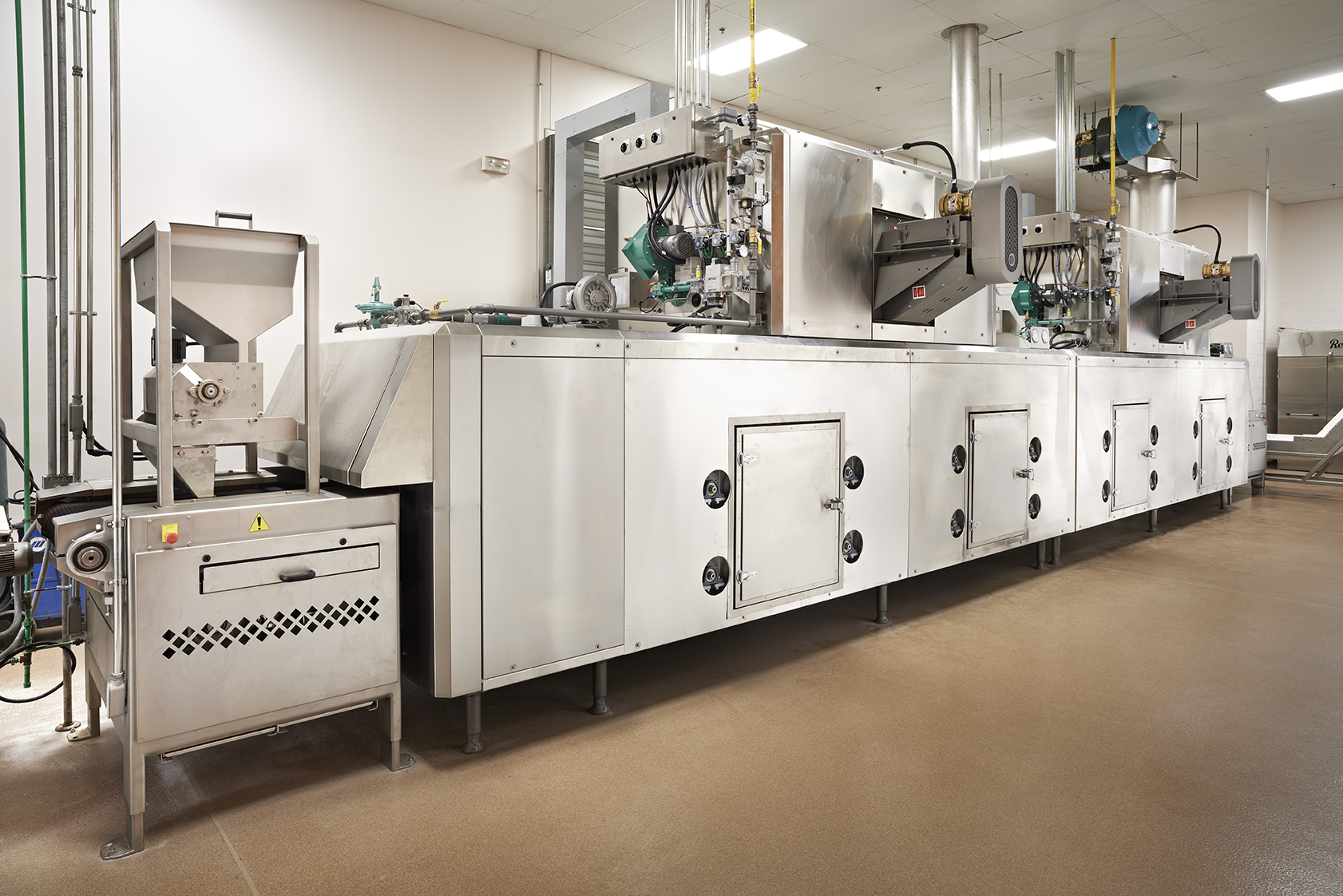
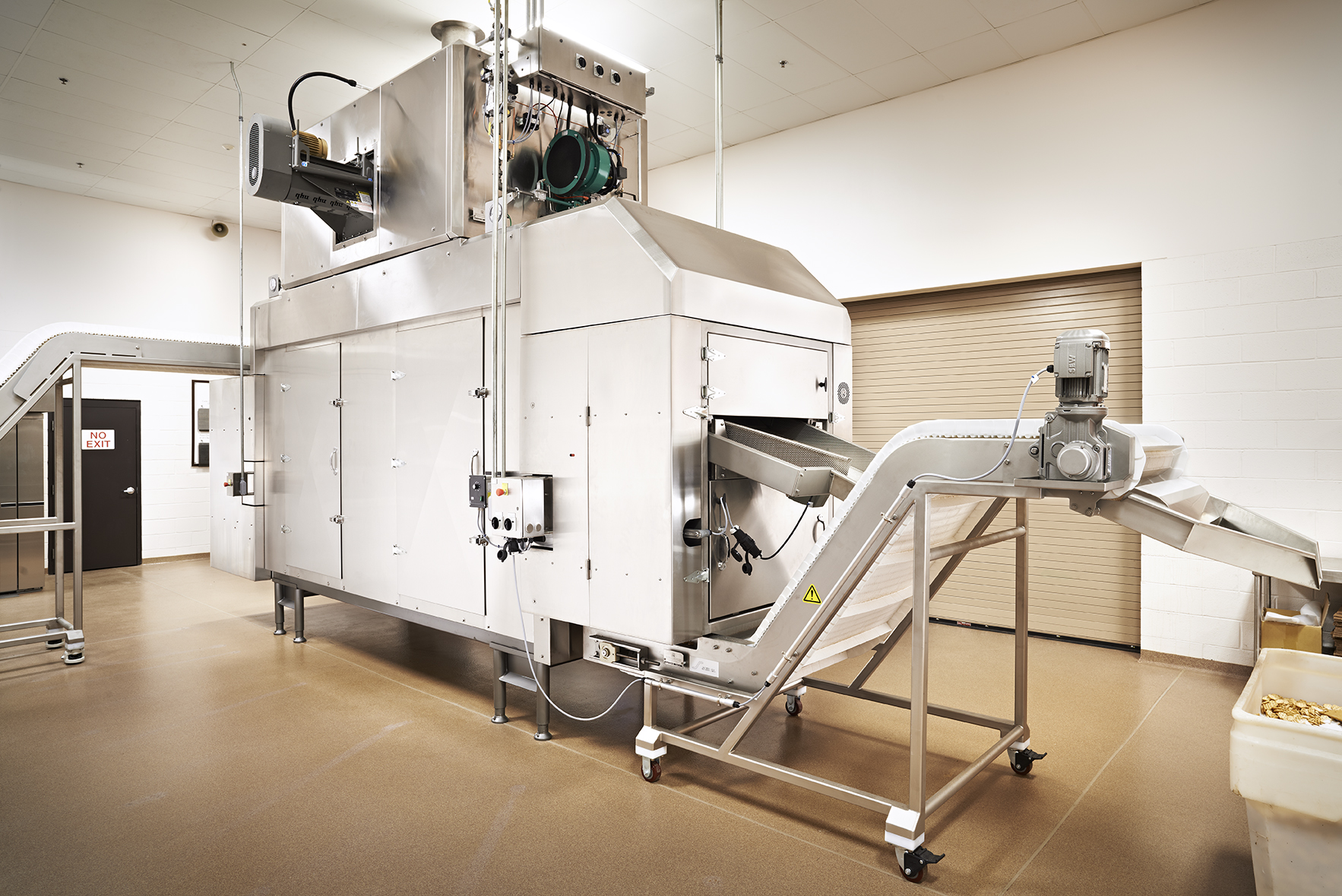
In industrial oven tests, gas use is steadier with continuously mixed dough, indicating a more stable baking load. That consistency can help support more uniform moisture, texture, and color in the finished product.
Build Consistency Into Your Production Line
The benefits of continuous mixing compound throughout production. Precise ingredient metering creates a more uniform formulation, continuous dough flow reduces aging differences, and real-time controls help catch deviations before they spread downstream.
For industrial bakeries, the result is a more stable process from ingredient delivery through baking, helping finished products stay closer in weight, texture, moisture, color, and overall quality from the start of a run to the end.
Contact Exact Mixing to discuss your production goals and find the right continuous mixing system for your line.