Mixing is one of the most important steps in industrial baking, shaping how ingredients come together and ultimately determining the quality of the finished product. Small variations in ingredient ratios, mixing time, or operator technique can change dough behavior in ways that carry through every stage that follows.
Automated continuous mixing reduces this variability by producing a steady, uninterrupted flow of dough or batter rather than processing ingredients one batch at a time. With advanced continuous mixers from Exact Mixing, industrial bakeries can improve process control, reduce operating costs, and support reliable, profitable, high-volume production.
A Complete Mixing Solution
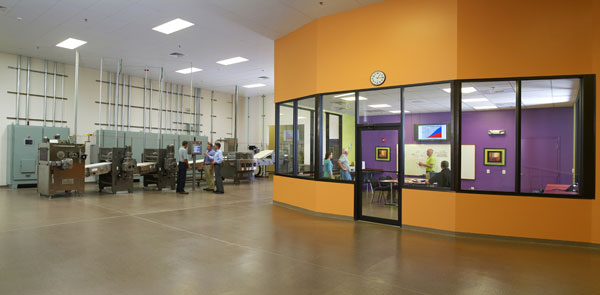
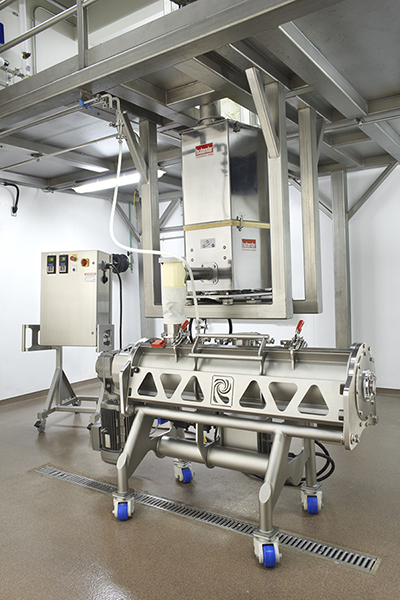
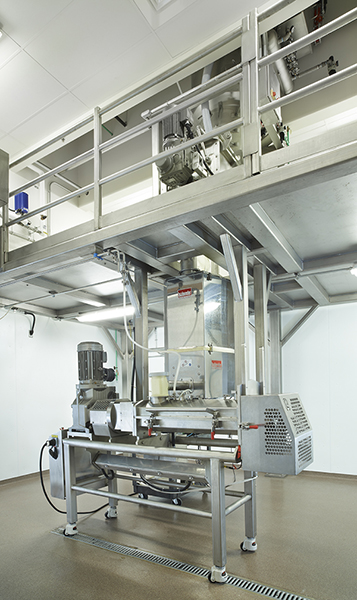
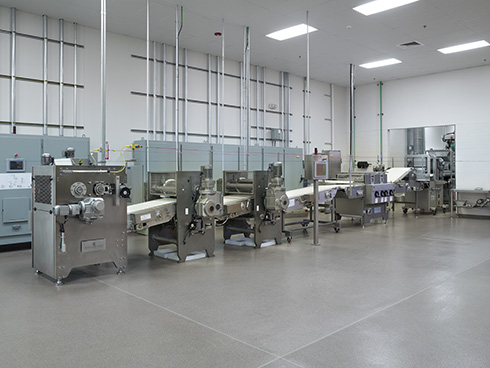
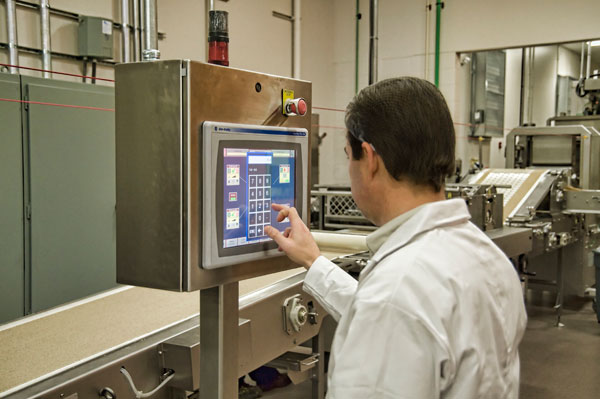
Exact Mixing systems are designed as complete production solutions that include material handling, dry ingredient blending, ingredient metering, the continuous mixer, and centralized controls that keep every stage working together.
Throughout production, the system compares actual flow to set points and alerts operators to any deviation, correcting problems before they reach the dough. The result is consistent hydration, texture, and ingredient distribution from the start of a run to the end, with less ingredient overuse and off-spec product.
Each mixer model is engineered for a different type of mixing, from gentle dough development to rapid powder hydration. With dough production capacities ranging from 50 to 10,000kilograms per hour, bakeries can select a system based on the needs of their product and process.
Consistent Results Across Production
In a controlled plant comparison, two similar production lines ran side by side, one on a batch mixer and one on an Exact Mixing continuous mixer, with product piece weight tracked over an hour as a measure of dough consistency. The batch-fed line showed more than double the weight variation of the continuous-fed line. That gap compounds across a production line and over the length of a run, enough to throw off oven heat distribution and affect finished product quality.
Much of the difference comes down to timing. Continuous mixing avoids the pauses between batches that allow dough to age and create variation, resulting in a steadier, more predictable supply for the production line.
Minimizing the Cost of Growth
Another major advantage of continuous mixing is its ability to keep operating costs under control as production grows. Automated metering, recipe control, and system monitoring allow one operator to oversee production at any throughput, reducing the need to add employees as output increases.
That efficiency extends to equipment. A single continuous mixer can handle far greater production volumes than a typical batch mixer, often eliminating the need to add more mixers as demand grows. Batch systems scale less efficiently because each increase in capacity may require additional mixing and metering equipment. Doubling batch output can raise system costs by 80 to 100 percent, while doubling the capacity of a continuous system typically increases costs by about 25 percent.
Energy use follows the same pattern. Exact Mixing systems can use approximately 30 to 40 percent less energy than conventional batch mixers, creating greater savings as production volumes rise.
Although converting from batch to continuous mixing requires an upfront investment, the long-term savings in labor, equipment, energy, and production waste can deliver a strong return over the life of the system.
Partner With Exact Mixing
With more than 30 years of continuous mixing experience and over 100 systems installed worldwide, Exact Mixing helps industrial bakeries transition to more consistent and efficient production.
Contact us to learn how automated continuous mixing can improve product quality, increase throughput, reduce operating costs, and support long-term growth.