In pretzel production, consistency makes all the difference. Small shifts in dough development, texture, or color can quickly impact both product quality and how smoothly the line runs. As production ramps up, traditional batch mixing can make it harder to maintain that level of control. That is why more manufacturers are turning to modern continuous dough mixing systems from Exact Mixing to keep production steady, consistent, and efficient.
The Importance of Precision in Pretzel Production
Pretzel dough is less forgiving than it might seem. With its lower hydration and specific development needs, it has to be mixed just right to get the proper balance of elasticity and structure. Even small inconsistencies can show up later in the process.
That can lead to:
- Uneven handling during forming
- Inconsistent shape and size
- Variations in surface finish after baking
- Differences in texture or bite
Because batch mixing resets with every cycle, it naturally introduces variation. Over longer production runs, it becomes harder to keep dough performance consistent from start to finish.
Stabilizing the Mixing Process
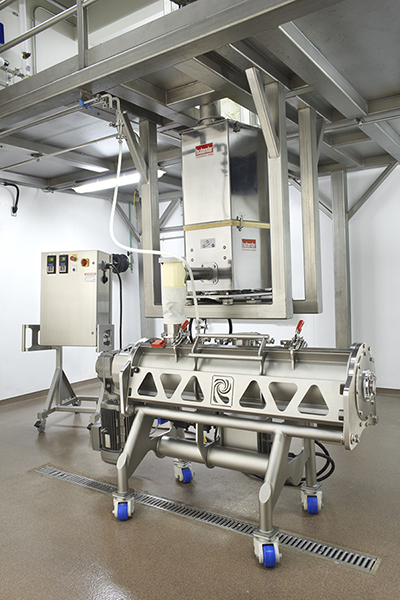
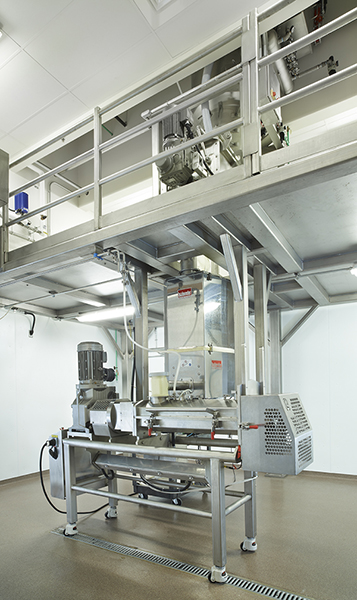
Continuous mixing replaces the stop-and-start nature of batch production with a steady, controlled flow of dough. Ingredients are metered, mixed, and discharged continuously, keeping conditions stable instead of resetting with each cycle.
This improves control by:
- Keeping ingredient delivery precise and consistent
- Ensuring even hydration throughout the dough
- Maintaining stable mixing conditions to reduce variation
The result is dough that performs consistently from start to finish. In pretzel production, that reliability is especially important during forming, where predictable dough supports smoother shaping and fewer interruptions.
Driving Yield and Efficiency
With more consistent dough, variability drops, and production becomes more efficient. Continuous mixing maintains stable formulation and process conditions, reducing the risk of off-spec product.
This leads to:
- Better weight control and less giveaway
- Lower scrap and rework
- More efficient use of ingredients
Over time, these improvements help create a more predictable, cost-effective operation at scale.
Supporting High-Volume Production
Modern pretzel lines are designed for continuous operation, and mixing needs to keep pace. Continuous systems provide a steady supply of dough without the downtime associated with batch cycles.
This allows manufacturers to:
- Increase throughput without adding multiple mixers
- Maintain consistent production speeds
- Reduce start-up and changeover losses
With the EX Continuous Mixer’s output capacities reaching 10,000 kg/hour, Exact Mixing’s continuous mixing systems support large-scale production demands.
Enhancing Energy and Labor Efficiency
Continuous mixing systems also offer operational advantages beyond product consistency.
- Lower energy use: Steady-state operation reduces energy consumption by 25-40% compared to repeated batch cycles
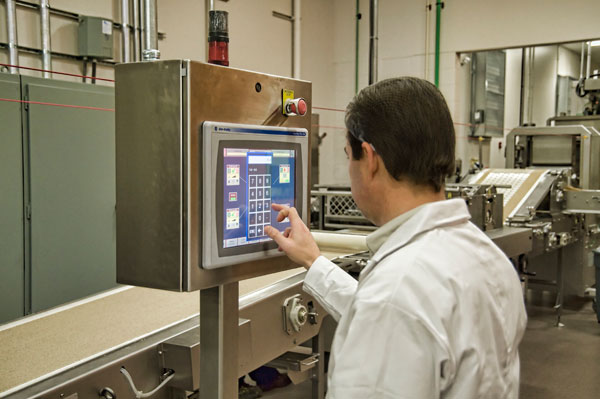
- Reduced labor requirements: Automated ingredient handling and mixing allow one operator to manage the system alongside other responsibilities
These efficiencies help manufacturers control costs while maintaining high production standards.
Integration with Automated Pretzel Lines
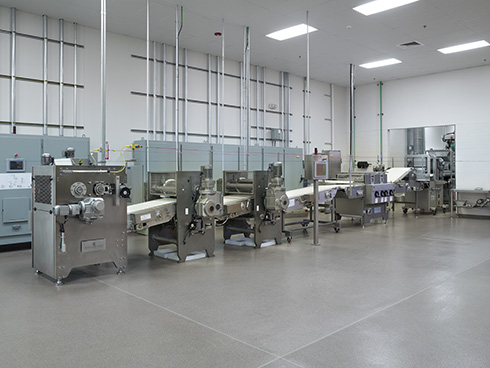
Pretzel production lines are often highly automated, requiring consistent input to maintain synchronization across equipment. Exact Mixing equipment fits naturally into that setup by delivering a constant supply that keeps each stage in sync.
This helps:
- Keep mixing, forming, and baking aligned
- Reduce slowdowns and bottlenecks
- Support smoother, high-speed production
With a more consistent input, the entire line runs more efficiently, not just the mixing step.
Built for Consistency and Scale
Continuous mixing brings a modern, reliable approach to pretzel production. With Exact Mixing’s integrated systems and industry expertise, pretzel manufacturers can confidently scale production while maintaining the consistency their products rely on. Reach out today to learn how continuous mixing can strengthen your production line.