In cracker production, small variations can create big problems. Differences in dough moisture, mixing, or ingredient distribution can impact sheeting, docking, baking, and final product texture. For manufacturers producing at scale, consistency is not just a quality goal. It is also essential to keeping the entire line running efficiently. That is why many bakeries are turning to continuous mixing systems from Exact Mixing to maintain control from start to finish.
The Challenge of Consistency in Cracker Production
Cracker doughs are typically low-moisture and sensitive to even slight changes in formulation or processing conditions. In batch systems, each mix starts and stops under slightly different conditions, which can lead to variation in dough development, hydration, and temperature.
These inconsistencies often show up downstream as:
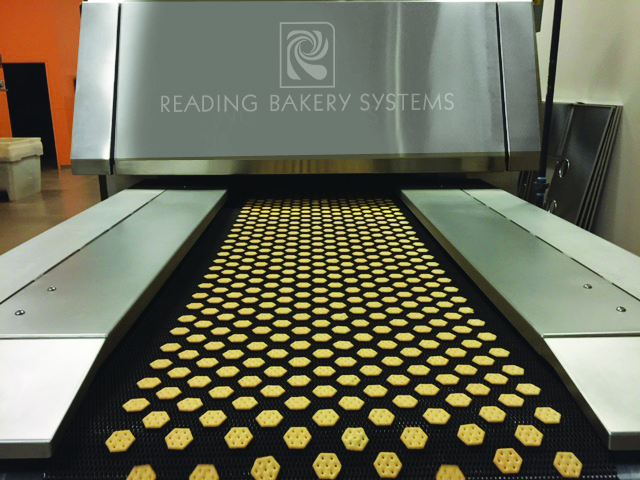
- Uneven sheet thickness
- Variations in cracker size and shape
- Inconsistent bake color or texture
- Increased scrap and rework
Even with tight controls, batch processes introduce variability that can affect both product quality and line efficiency.
How Continuous Mixing Creates Stability
Continuous mixing replaces batch cycles with a steady, controlled process. Ingredients are metered, mixed, and discharged continuously, creating a consistent flow of dough.
This approach improves stability in several ways:
- Precise ingredient delivery: Loss-in-weight feeders and flow-metered liquids ensure formulations stay on target
- Consistent hydration: Ingredients are incorporated evenly, reducing dry spots or overworked areas
- Stable process conditions: Mixing occurs under constant parameters, eliminating variability between batches
Instead of resetting with each batch, the system operates in a steady state, producing dough with uniform characteristics over time.
Why the EX Mixer Is Ideal for Cracker Dough
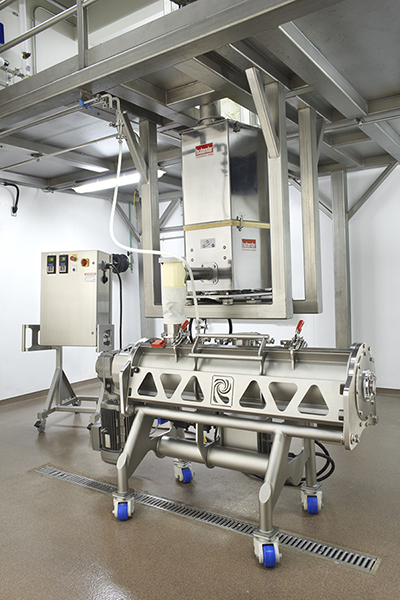
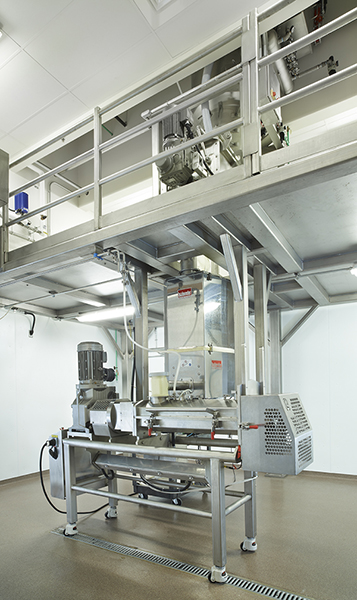
The EX Continuous Mixer from Exact Mixing is specifically designed for low-moisture, stiff doughs like crackers. Its controlled, low-energy mixing approach develops the dough without overworking it, which is critical for achieving the right texture and structure.
For cracker manufacturers, this results in:
- Consistent dough handling properties
- Improved sheeting and gauging performance
- Better control over final product texture
Because the mixing process is stable and repeatable, manufacturers can maintain tight control over product quality across long production runs.
Improved Line Performance from Start to Finish
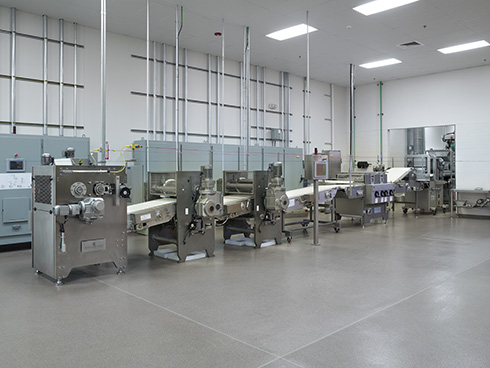
Consistency at the mixer directly impacts the entire production line. When dough behaves predictably, downstream processes run more smoothly.
Continuous mixing supports:
- More uniform sheeting and cutting, reducing variation in product dimensions
- Fewer line interruptions, since the dough feeds consistently into equipment
- Reduced startup and shutdown losses, improving overall efficiency
With a steady dough supply, production lines can operate at higher speeds with fewer disruptions.
Higher Yield and Less Waste
Variability in dough often leads to off-spec product, whether from incorrect weight, poor texture, or inconsistent baking. Continuous mixing minimizes these issues by maintaining consistent formulation and process conditions.
This leads to:
- Tighter weight control and reduced giveaway
- Lower scrap and rework
- More efficient use of ingredients
Over time, these improvements translate into meaningful cost savings and more predictable production outcomes.
Greater Efficiency at Scale
As production demands grow, continuous mixing becomes even more valuable. Unlike batch systems, which require additional mixers and labor to increase output, continuous systems scale more efficiently.
A single system can:
- Deliver high throughput without downtime between batches
- Support multiple lines with a steady dough supply
- Integrate seamlessly with automated production systems
This makes continuous mixing a practical solution for manufacturers looking to increase capacity without adding unnecessary complexity.
Energy and Labor Advantages
Continuous mixing systems also improve operational efficiency beyond product quality.
- Lower energy use: Steady-state operation reduces energy consumption compared to repeated batch cycles
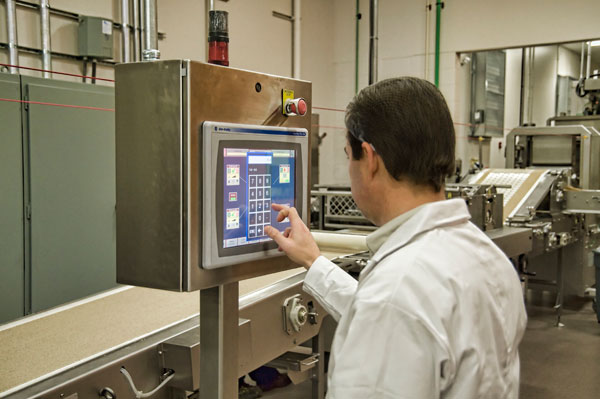
- Reduced labor requirements: Automated ingredient handling and mixing allow one operator to manage the system alongside other tasks
These efficiencies help reduce operating costs while maintaining consistent production.
Consistency You Can Rely On
Continuous mixing brings greater control to cracker production, helping manufacturers achieve consistent quality and smoother, more efficient operations.
With Exact Mixing’s integrated systems and industry expertise, you can strengthen performance across your entire process. Contact us today to get started.